
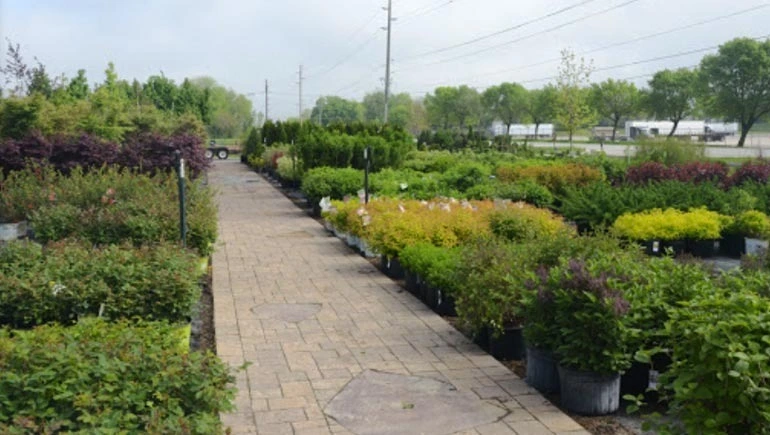
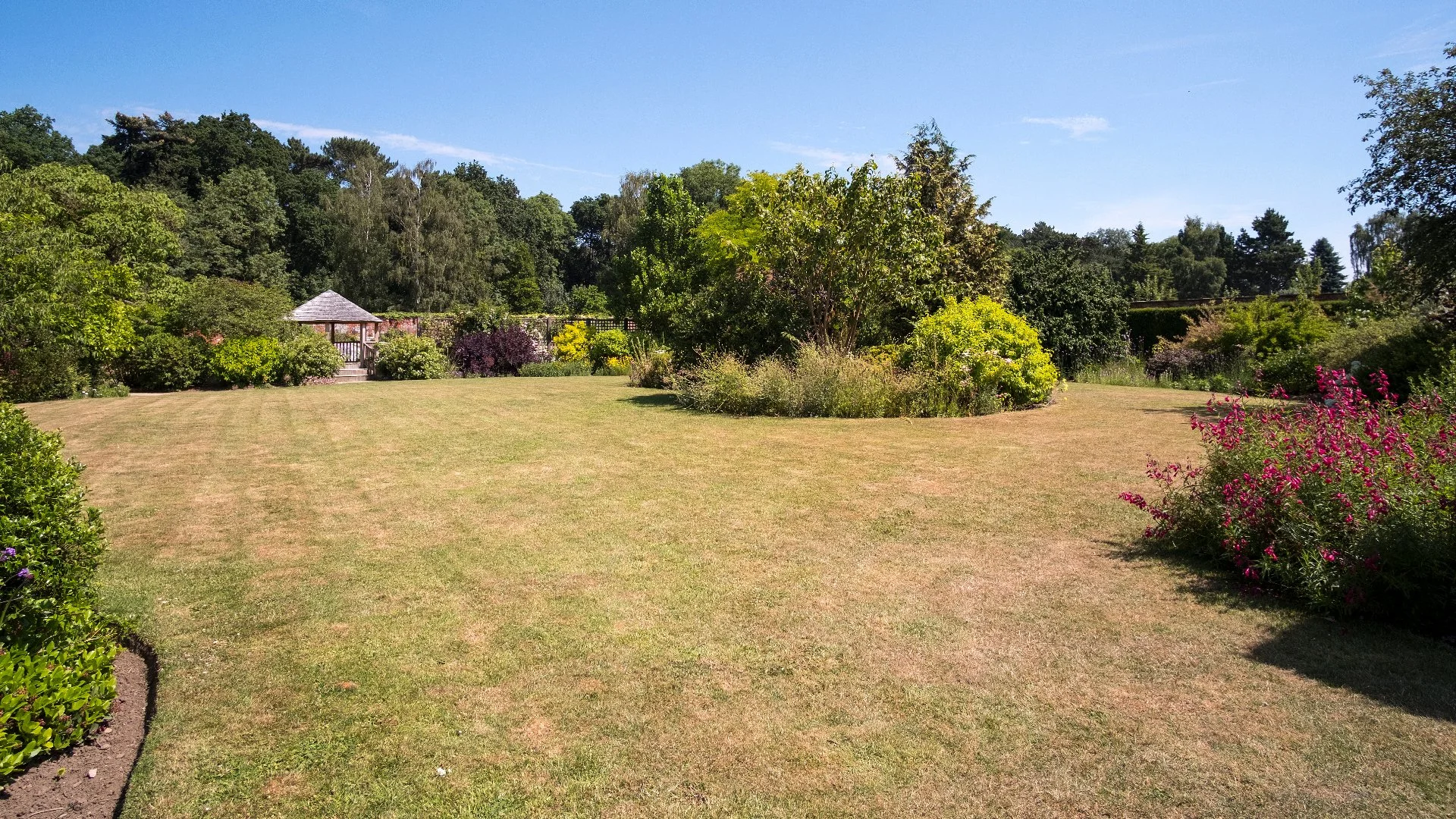
It's not uncommon for your lawn in Iowa to turn brown, but it could be from one of three issues: dehydration, overfertilization, or lawn diseases. A brown lawn is often caused by dehydration, which can occur when it doesn't receive enough water. On the other hand, using too much fertilizer can also cause it to become brown, as the excess nutrients can burn the grass. Additionally, various lawn diseases, such as brown patch, rust, and dollar spot, can cause it to turn brown. Identifying the specific issue and addressing it promptly is crucial for restoring your lawn's health and vibrant green appearance.
Dehydration can cause your lawn to turn brown.
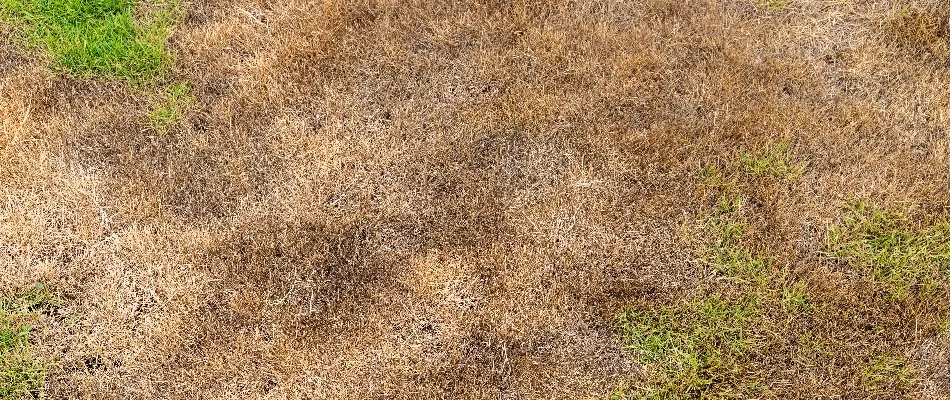
One common issue that can cause your lawn to turn brown is dehydration. When your lawn doesn't receive enough water, it can start to show signs of stress and browning. Look for wilting or drooping grass blades, as this is a clear indication of dehydration. Another sign to watch out for is footprints or mower tracks that remain visible on your lawn for an extended period. This occurs because the grass lacks the moisture it needs to bounce back.
To address dehydration, make sure you are watering your lawn adequately. Water deeply and infrequently, allowing the water to penetrate the soil and reach the roots. It's best to water early in the morning or late in the evening to minimize evaporation. Consider investing in a sprinkler system or a soaker hose to ensure even and consistent watering across your lawn. By providing your lawn with the necessary hydration, you can help revive it and restore its vibrant green color.
Overfertilization can cause your lawn to turn brown.
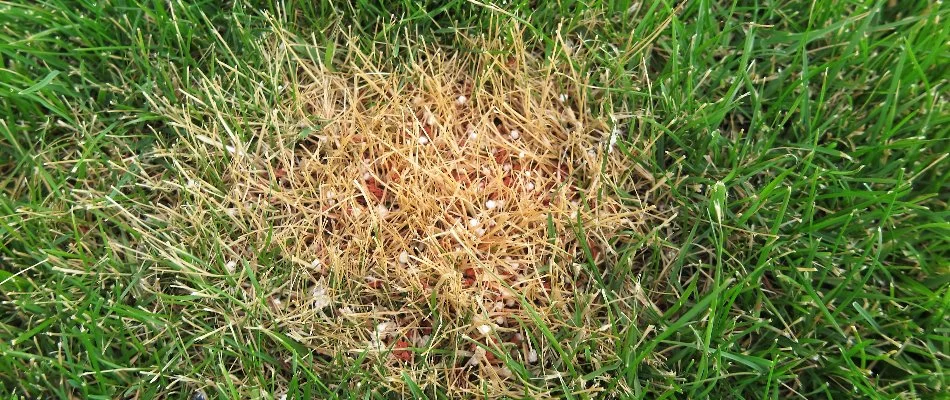
Another issue that can lead to a brown lawn is overfertilization. While fertilization is essential for promoting healthy growth, using too much can have detrimental effects. Signs of overfertilization include rapid, excessive growth, dark green patches, and a burnt or scorched appearance on the grass blades. Over time, the excess nutrients can cause the grass to become weak and susceptible to disease, resulting in browning.
To prevent overfertilization, it's crucial to follow the recommended application rates and schedules for the specific type of grass you have. Consult with a lawn care professional to determine the appropriate amount of fertilizer needed for your lawn's needs. Additionally, consider using slow-release fertilizers, which provide a steady supply of nutrients over time, reducing the risk of overfertilization. By maintaining a balanced fertilization routine, you can prevent your lawn from turning brown due to nutrient overload.
Lawn diseases can cause your lawn to turn brown.
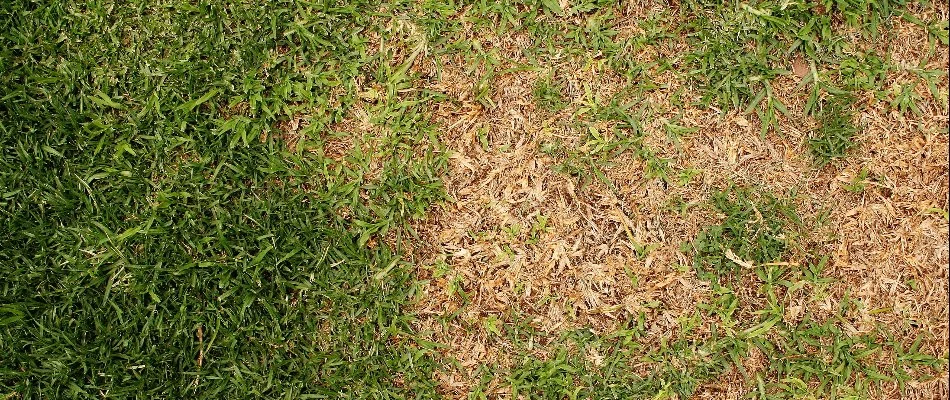
Lawn diseases can also be a culprit behind your brown lawn. Various fungal diseases, such as brown patch, rust, and dollar spot, can cause your lawn to turn brown. These diseases thrive in warm and humid conditions, making them common during the summer months.
Signs of lawn diseases include irregular brown patches or spots on the grass, a powdery or fuzzy appearance on the grass blades, and thinning or dying grass. To address lawn diseases, it's important to identify the specific disease affecting your lawn. Consult with a lawn care professional who can diagnose the issue and recommend appropriate treatments, such as fungicides. Regularly mowing your lawn at the proper height, improving airflow by dethatching or aerating, and ensuring proper watering practices can also help prevent and manage lawn diseases.
Call us today to enroll in our lawn care services.
At A+ Lawn & Landscape, we offer comprehensive lawn care services to residential and commercial properties, as well as HOAs, in Des Moines, West Des Moines, Ankeny, and other surrounding areas in Iowa. Our experienced team is skilled in diagnosing and addressing various lawn issues, including dehydration, overfertilization, and lawn diseases. We provide tailored solutions to ensure your lawn stays healthy and vibrant throughout the year. Whether you need help with watering, fertilization, or disease control, we've got you covered. Don't let your lawn suffer from these common issues. Call us today at (515) 289-2020 to enroll in our lawn care services and keep your lawn looking its best.

Comments (0)
Thanks for your comment!
Thanks for your feedback! Your comments have been successfully submitted! Please note, all comments require admin approval prior to display.
Error submitting comment!
There is a problem with your comment, please see below and try again.