



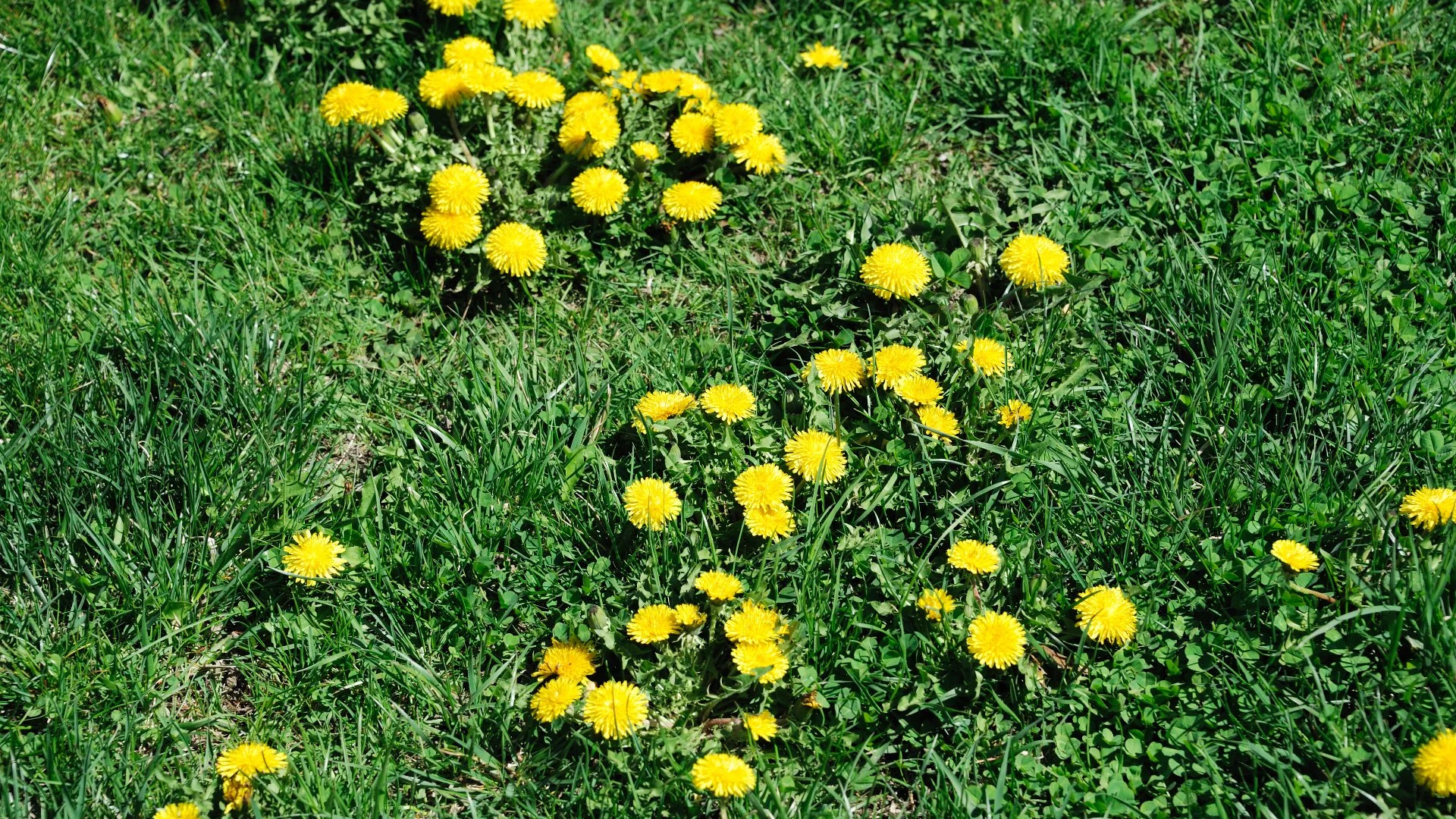
Weeds often take advantage of lawns that are struggling due to compacted soil, improper watering and mowing practices, thin turf, or poor soil quality. Understanding these factors can help you address weed problems more effectively. To reduce weed growth, focus on building a healthy lawn by improving soil conditions, mowing at the proper height, watering deeply and infrequently, and aerating regularly. Overseeding and applying the appropriate soil amendments can also help create a thicker, more resilient lawn that naturally crowds out weeds. For the most effective control, consider enrolling in a professional weed control program. These programs utilize pre-emergent treatments to prevent weeds from sprouting and post-emergent treatments to eliminate existing weeds, helping keep your lawn in Iowa healthy, lush, and weed-free.
What conditions are favorable for weed growth on lawns?
Weeds are opportunistic plants that thrive when conditions are in their favor. Understanding these conditions can help you tackle weed problems more effectively. Here are some of the key factors that create a conducive environment for weed growth:
- Compacted Soil: Weeds flourish in compacted soil where particles are tightly pressed together, limiting airflow and water penetration. This environment hampers grass growth but allows resilient weeds to thrive. Compaction often results from foot traffic or machinery compressing the soil.
- Improper Watering: Watering practices greatly influence weed growth. Overwatering creates damp conditions that certain weeds love, while underwatering weakens grass, giving weeds an advantage. Inconsistent moisture can lead to a surge in weed growth as stressed grass struggles to compete.
- Improper Mowing: Mowing too short or infrequently can exacerbate weed problems. Cutting grass too low weakens it by reducing its photosynthesis capability, making it easier for weeds to invade. Conversely, allowing grass to grow too long can lead to thatch buildup, which also favors weeds.
- Thin, Patchy Turf: Weeds thrive in areas where grass coverage is sparse. These gaps provide the perfect opportunity for weeds to take root and spread. A dense, healthy lawn is much more effective at outcompeting weeds and preventing them from establishing.
- Poor Soil Conditions: Soil with low fertility and unbalanced pH levels can weaken grass, making it more susceptible to weed invasion. Weeds are often more adaptable to poor soil conditions than grass, allowing them to flourish where grass struggles.
Cultivating a Healthy, Thick Lawn with Optimal Soil Conditions Will Help Reduce Weed Growth
Cultivating a healthy, thick lawn is the most effective defense against weeds. By optimizing soil conditions and implementing proper lawn care practices, you can significantly reduce weed growth. Start with proper mowing and watering: keep your lawn at the correct height for your grass type, typically around 2.5 to 3 inches, to shade the soil and reduce light for weed germination. Water deeply and infrequently, providing about 1 to 1.5 inches of water per week, to promote deep root growth and strengthen your grass.
Regular aeration is crucial for relieving soil compaction, as it removes small plugs of soil to improve air, water, and nutrient flow to the roots, fostering healthy grass growth. Overseeding helps thicken your lawn, making it more competitive and capable of crowding out weeds. Choose a grass seed that matches your existing lawn and climate. Additionally, testing your soil and applying the right amendments can balance pH levels and improve fertility. Proper fertilization with the appropriate nutrients ensures your grass grows stronger and more resilient to weed invasion.
Maximize Your Efforts by Enrolling in a Professional Weed Control Program
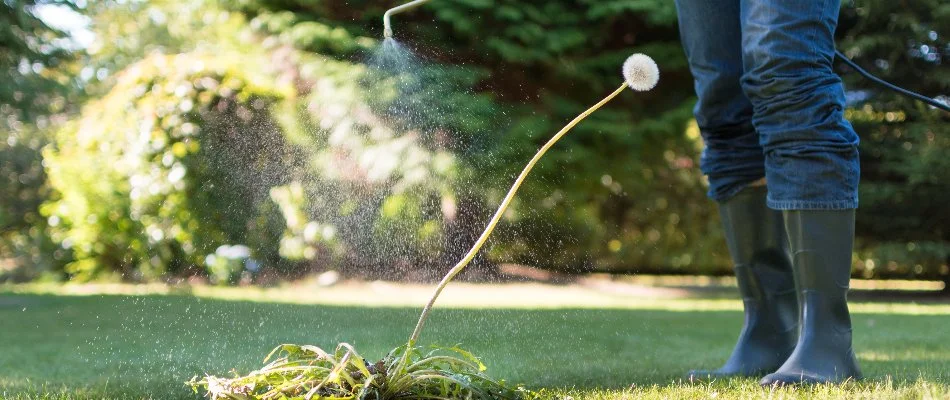
While cultivating a healthy lawn is an important step in reducing weed growth, it's not always enough. That's where a professional weed control program comes in. A professional weed control program will utilize pre- and post-emergent treatments to combat weeds at both ends of their life cycle, ensuring effective results.
Pre-emergent treatments are applied before weeds have a chance to germinate and take root. These treatments create a barrier in the soil that prevents weed seeds from sprouting. Post-emergent treatments are applied after weeds have already emerged and are actively growing. These treatments target the weeds directly and kill them at the root.
Keep weeds away with our weed control service. Call our team to sign up!
If you're struggling with weeds on your lawn, take advantage of our weed control service at A+ Lawn & Landscape! This service involves regular pre- and post-emergent weed control treatments during the year to control weed growth and keep them from taking over your lawn. Some of the weeds that we typically deal with include dandelions, clover, spurge, thistle, and more.
We offer this service to commercial and residential properties, as well as HOAs, in Des Moines, West Des Moines, Ankeny, IA, and surrounding areas. Call our team today at (515) 289-2020 to sign up!


Comments (0)
Thanks for your comment!
Thanks for your feedback! Your comments have been successfully submitted! Please note, all comments require admin approval prior to display.
Error submitting comment!
There is a problem with your comment, please see below and try again.