



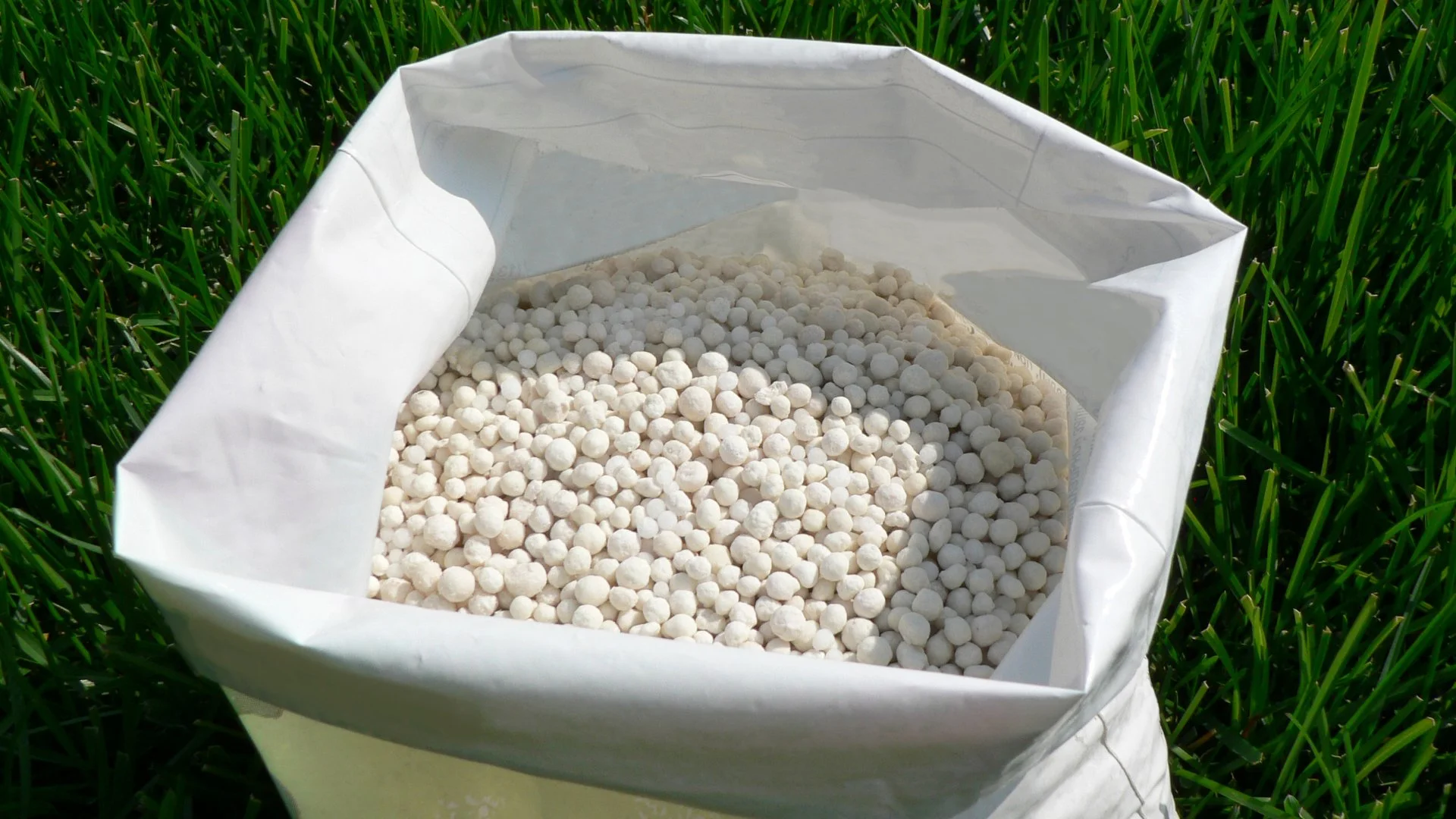
If your lawn in Iowa isn't responding to fertilizer, several factors could be at play. Soil compaction and thick thatch can restrict nutrient flow, while improper pH levels can lock nutrients away from the roots of your grass. Inadequate watering can also prevent nutrient absorption, and applying fertilizer at the wrong time can reduce its effectiveness. To address these issues, consider hiring professionals who can diagnose and resolve nutrient uptake problems. They can offer solutions like aeration, soil amendments, and expert fertilization application, ensuring your lawn receives optimal care and thrives.
Soil Compaction or a Thick Thatch Layer Can Affect Fertilizer Treatments
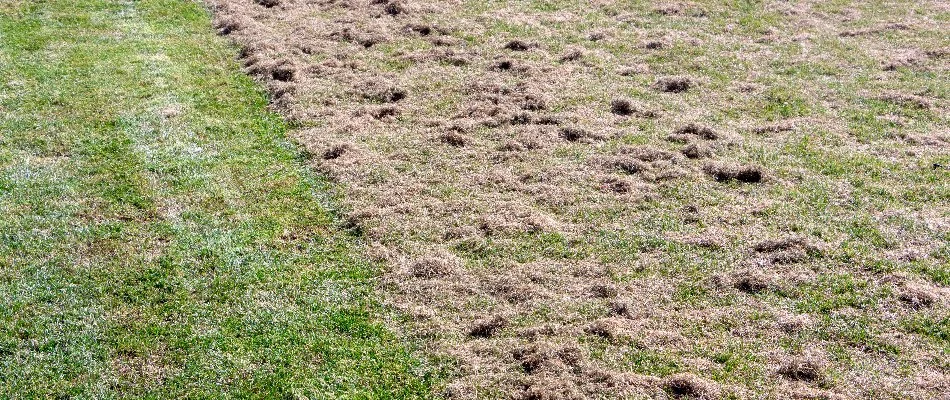
Soil compaction and thick thatch are common culprits behind ineffective fertilization. Compacted soil occurs when particles are pressed tightly together, reducing pore space and limiting the flow of water, air, and nutrients to the root system. This often happens in high-traffic areas, where pressure from foot traffic or vehicles compresses the soil, making it dense and hard. As a result, the roots struggle to penetrate deeply, leading to weak, thin grass that can't efficiently absorb nutrients. Thatch, on the other hand, is a layer of dead and living organic matter that accumulates between the soil surface and the green grass. While a small amount of thatch can be beneficial, a thick layer acts as a barrier, preventing essential nutrients and water from reaching the roots.
Improper soil pH levels keep fertilizers from becoming available to your grass.
Soil pH plays a critical role in the effectiveness of fertilizer treatments and the overall health of your grass. When the soil's pH is too high (alkaline) or too low (acidic), it can cause essential nutrients to become "locked," rendering them unavailable to your grass. This nutrient lockout occurs because certain pH levels affect the solubility of minerals in the soil, which in turn influences how plants absorb them.
For instance, in highly acidic soils, elements like phosphorus, calcium, and magnesium become less accessible, while alkaline soils can limit the availability of iron, manganese, and zinc. Most grasses thrive in slightly acidic to neutral pH levels (around 6.0 to 7.0), where nutrient uptake is optimized.
Inadequate Watering Keeps Your Grass From Taking Up Nutrients From Fertilizers
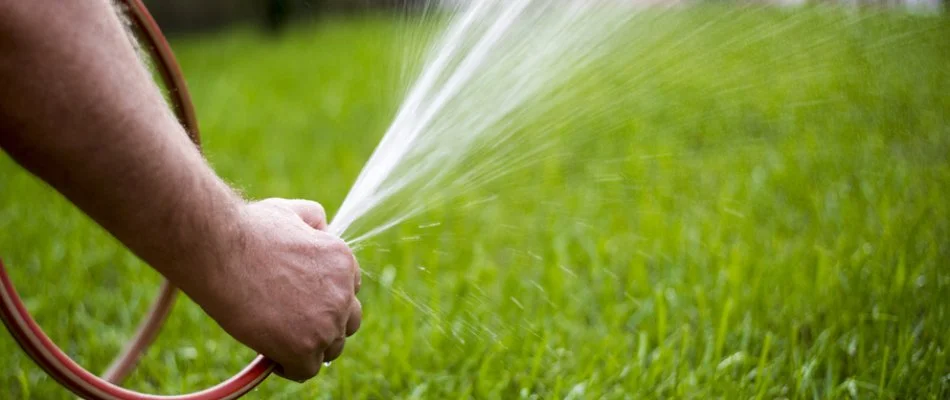
Water is essential for the effectiveness of fertilizer treatments, as it dissolves the nutrients and facilitates their absorption into the soil. Without proper watering, your lawn may struggle to take up the nutrients, rendering the fertilizer less effective. Both overwatering and underwatering can create issues. Too much water can leach nutrients away, while too little prevents them from reaching the roots. Lawns typically require about 1 to 1.5 inches of water per week, which can come from rainfall or irrigation.
Improper Timing of Fertilizer Application
The timing of fertilization is crucial for maximizing its effectiveness. Applying fertilizer during periods of extreme heat, drought, or when grass is not actively growing can significantly diminish its benefits. Fertilizing at the wrong time can lead to wasted effort and resources, as the grass is unable to properly absorb the nutrients. It's also important to avoid fertilizing during peak heat or drought conditions, as stressed grass is less capable of utilizing the nutrients effectively.
What should you do if your lawn isn't responding to fertilizer?
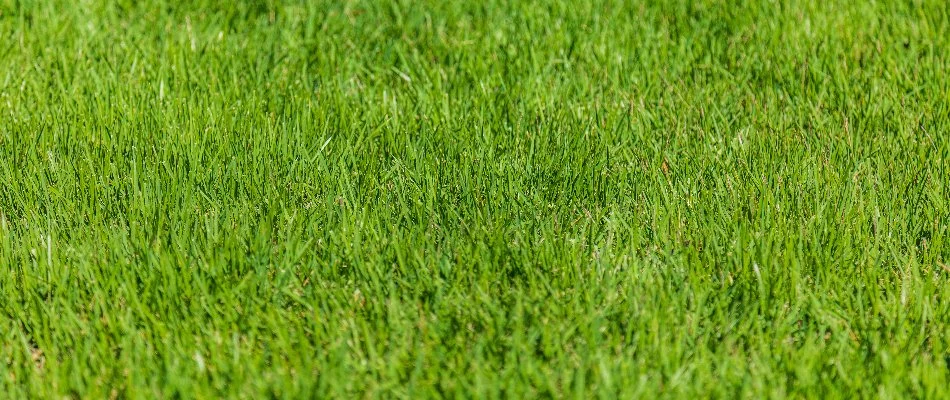
If you're struggling to understand why your lawn isn't responding to fertilizer, it might be time to seek professional help. By leveraging their expertise, you can ensure that your lawn receives the appropriate care to thrive. Professionals can offer tailored solutions that address specific problems, ultimately saving you time and effort. Here's why you should hire lawn care experts:
- Diagnose Nutrient Uptake Issues: Experts can accurately identify what's hindering your lawn's ability to absorb nutrients, whether it's soil compaction, improper pH levels, or inadequate watering. They provide targeted solutions to address these challenges effectively, such as aeration, soil amendments, and watering recommendations.
- Fertilization Expertise: Leaving fertilization to the pros ensures that it's applied correctly and at the right time, maximizing the benefits for your lawn. Professionals use their knowledge to select the appropriate fertilizers and application methods, ensuring your grass gets the most out of each treatment.
Call our team to sign up for our lawn fertilization service!
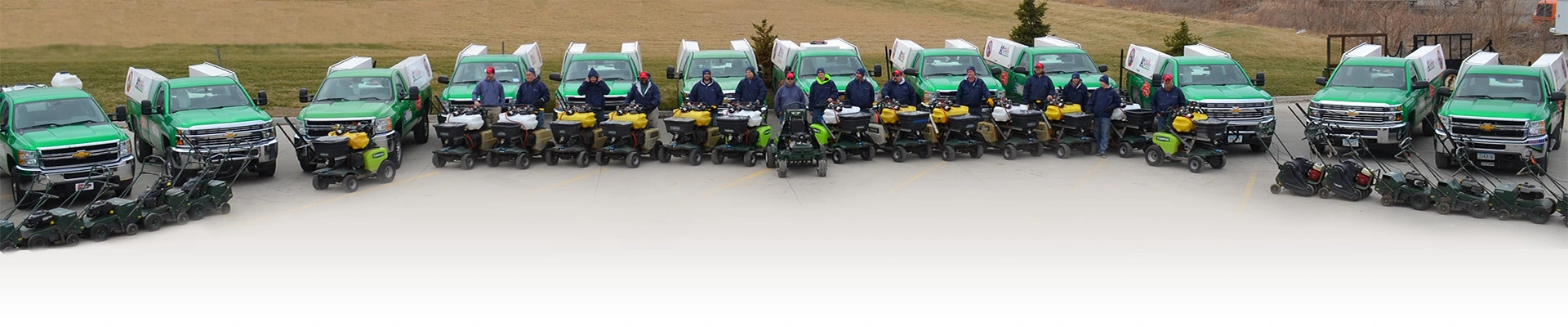
If your lawn isn't responding to fertilizer treatments, let our professionals take over your lawn care needs. Here at A+ Lawn & Landscape, we offer a professional lawn fertilization service that consists of regular fertilizer treatments throughout the growing season to keep your grass healthy and thriving. Our experts will make sure the treatments are applied at the right time and with the correct techniques to ensure optimal nutrient absorption.
We can also take a look at your lawn's overall condition and recommend steps to improve its health and ensure it can utilize fertilizer treatments more effectively. Our team proudly serves homeowners and business owners, as well as HOAs, in Des Moines, West Des Moines, Ankeny, IA, and neighboring areas. Give us a call today at (515) 289-2020 to sign up!


Comments (0)
Thanks for your comment!
Thanks for your feedback! Your comments have been successfully submitted! Please note, all comments require admin approval prior to display.
Error submitting comment!
There is a problem with your comment, please see below and try again.