




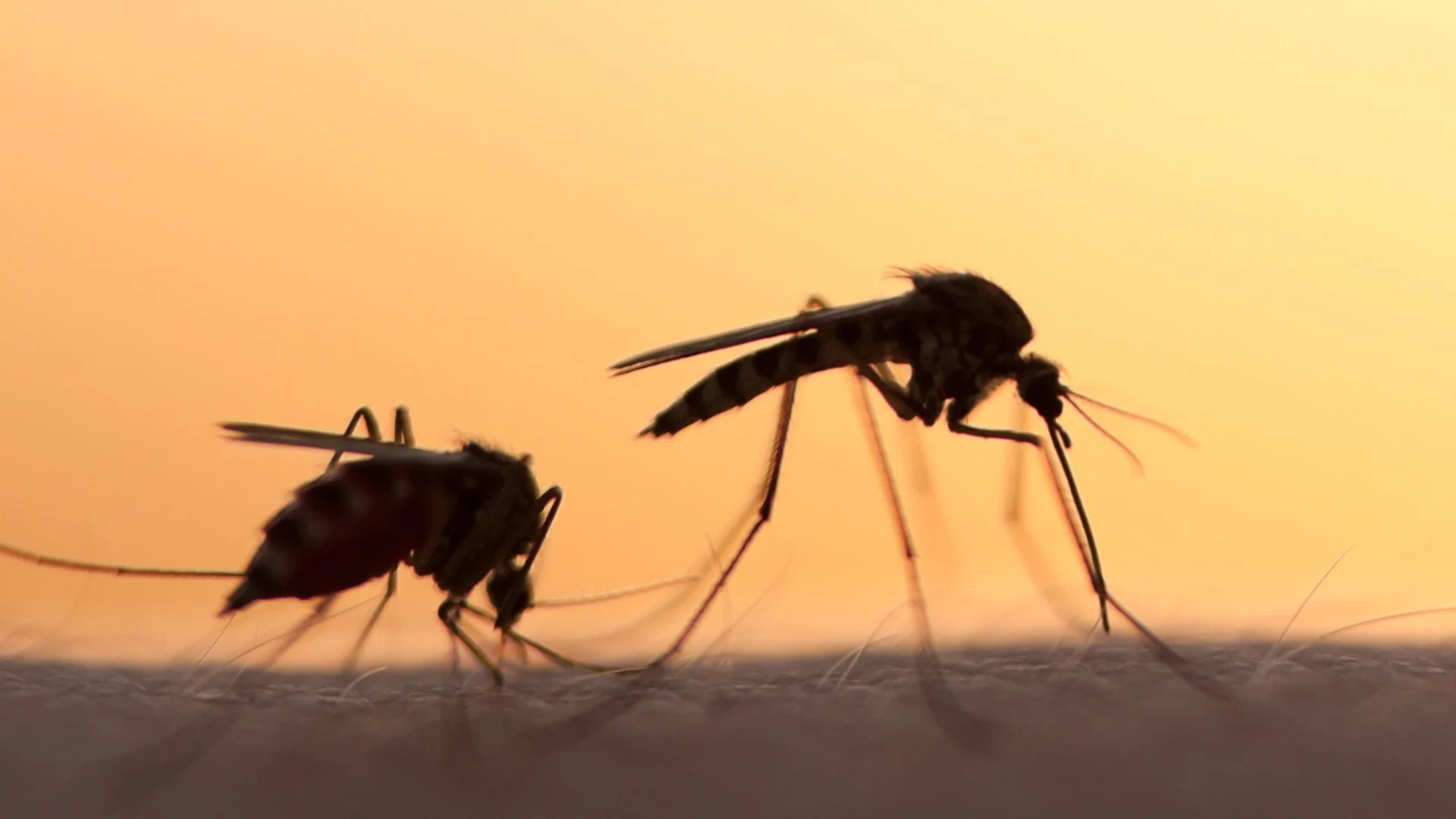
Rain boosts mosquito activity by creating breeding grounds in standing water found in yards, puddles, and gutters. Mosquitoes lay eggs in these stagnant waters, with a single female capable of producing hundreds of eggs. The increased humidity after rain also creates a hospitable environment, allowing mosquitoes to stay active and live longer. To reduce their numbers, empty any standing water from containers, clear clogged gutters, and consider enrolling in a professional mosquito control program. These actions help minimize breeding sites and keep your property in Iowa less appealing to mosquitoes, ensuring a more enjoyable outdoor experience.
Rain Creates More Potential Breeding Grounds for Mosquitoes
One of the primary reasons rain boosts mosquito activity is that it creates more potential breeding grounds. Mosquitoes lay their eggs in stagnant water, and rain provides plenty of it. When rain falls, it creates wet yards, forms puddles, and fills up areas like gutters, bird baths, and plant saucers. These water-filled spots become perfect nurseries for mosquito larvae, leading to a rapid increase in their population.
Mosquitoes are opportunistic breeders. A single female mosquito can lay hundreds of eggs in a small amount of water. After a rainstorm, the increased availability of standing water means more opportunities for mosquitoes to reproduce. This is why you might notice more mosquitoes a few days after it rains, because the eggs have hatched, and the larvae have matured into adult mosquitoes.
The Increased Humidity After Rainfall Creates a Hospitable Environment for Mosquitoes
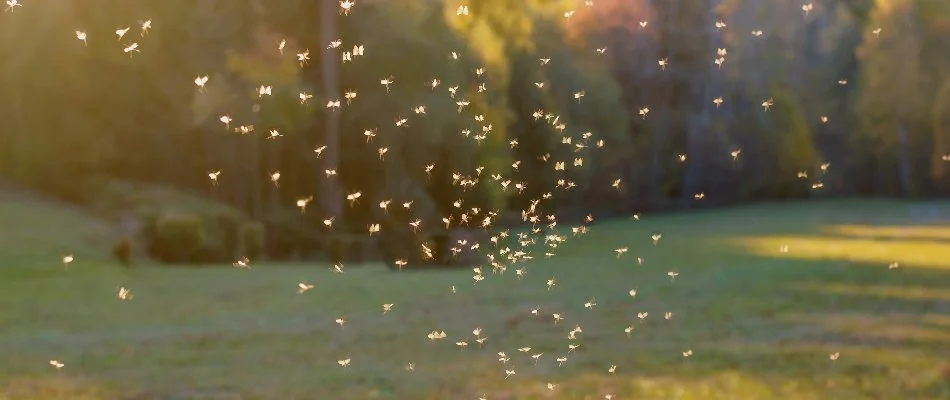
Rain not only provides the water mosquitoes need to breed but also increases the humidity in the environment. Mosquitoes thrive in humid conditions, which help them stay hydrated and active. After it rains, the air is often more humid, creating a more hospitable environment for mosquitoes to fly, feed, and reproduce.
Humidity also affects the longevity of mosquitoes. In drier conditions, mosquitoes can become dehydrated and die off more quickly. However, the moist air following a rainstorm helps them survive longer, allowing them more time to lay eggs and increase their population.
What should you do to reduce the mosquito population on your property?
While rain is beyond our control, there are steps you can take to reduce mosquito populations around your home. By addressing potential breeding sites and taking preventive measures, you can make your property less appealing to these pests.
- Empty Standing Water: After it rains, take a walk around your property and empty any standing water you find. Look for water in flower pots, buckets, bird baths, and any other containers that might collect rainwater. Even small amounts of water can serve as breeding grounds for mosquitoes.
- Clear Clogged Gutters: Gutters can easily become clogged with leaves and debris, preventing proper drainage and creating pools of water. Regularly clean your gutters to ensure water flows freely and doesn't create a mosquito-friendly environment.
- Enroll in a Professional Mosquito Control Program: For a more comprehensive approach, consider enrolling in a professional mosquito control program. Pest control experts can assess your property for potential breeding sites and apply treatments to reduce mosquito populations. They often use environmentally friendly products that target mosquitoes without harming beneficial insects.
Call us today to sign up for our mosquito control service!
Don't let mosquitoes ruin your outdoor fun this year; instead, turn to our pest control professionals at A+ Pest Control. We offer a mosquito control service to residential and commercial properties, as well as HOAs, in Des Moines, West Des Moines, Ankeny, and other nearby areas in Iowa. With our highly effective treatments, we'll significantly reduce the mosquito population on your property so that you can enjoy your outdoor space without worrying about these pesky insects. This service includes treatments about every 6 weeks during the mosquito season for consistent protection. Call us today at (515) 289-2020 to sign up for our mosquito control service!




Comments (0)
Thanks for your comment!
Thanks for your feedback! Your comments have been successfully submitted! Please note, all comments require admin approval prior to display.
Error submitting comment!
There is a problem with your comment, please see below and try again.