



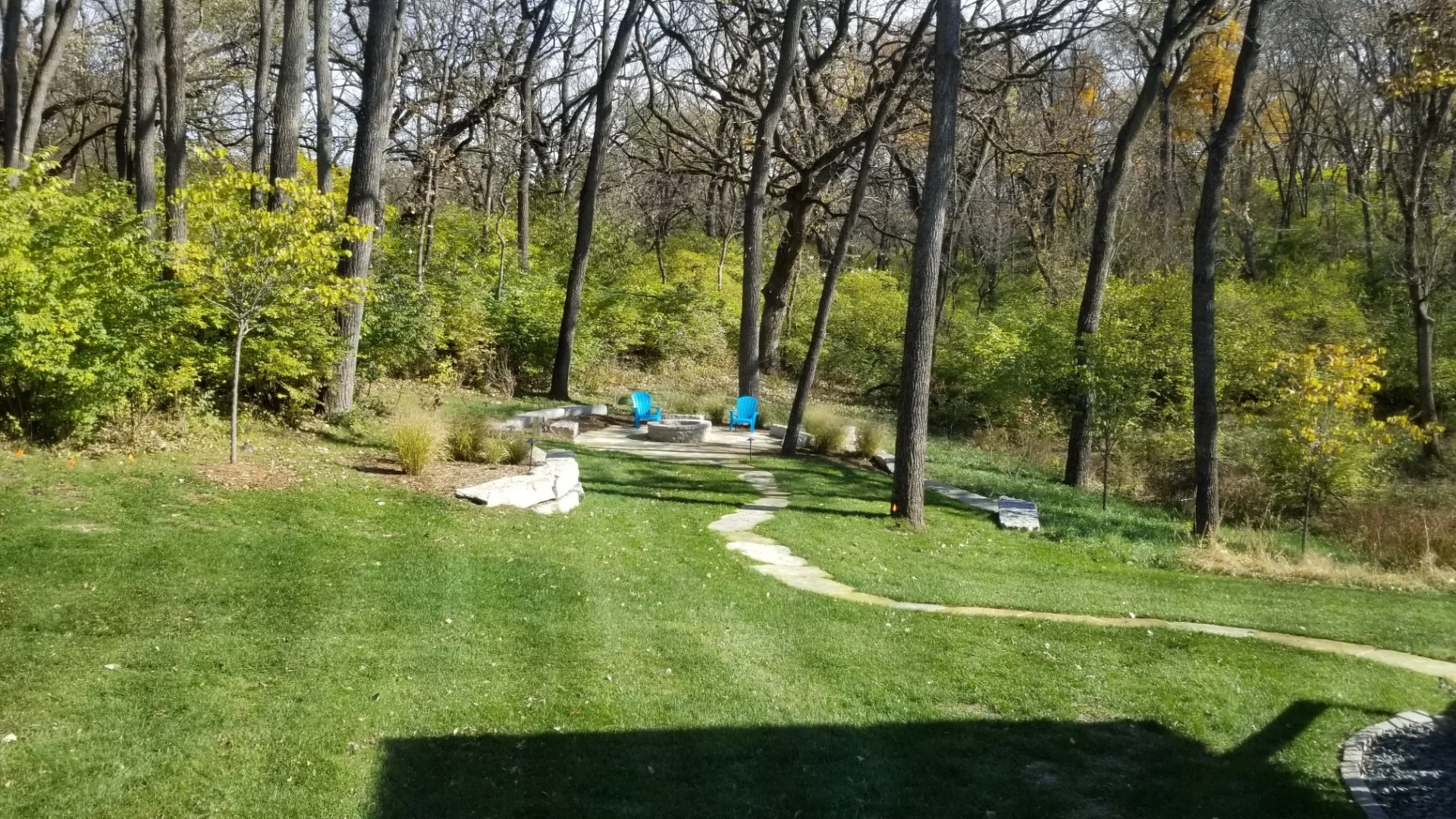
Fertilizing your lawn in Iowa requires careful timing to avoid waste and damage. Avoid fertilizing during dormancy, as grass isn't actively absorbing nutrients, leading to runoff and environmental harm. Similarly, don't fertilize before or during heavy rain, as nutrients can wash away and pollute waterways. In drought conditions, applying fertilizer can scorch the grass due to a lack of moisture, exacerbating stress on the lawn. Instead, fertilize when your lawn is actively growing, the weather is dry for a few days, and adequate watering is possible. This approach ensures effective nutrient absorption, promoting healthy growth while minimizing environmental impact.
Avoid Fertilizing When Grass Is Dormant
One of the most crucial times to avoid fertilizing your lawn is during dormancy. Grass enters a dormant state when it's not actively growing, typically during extreme weather conditions like winter or drought. During dormancy, the grass's metabolic processes slow down, and the roots are not actively absorbing nutrients. Fertilizing during this period is ineffective because the nutrients won't be taken up by the grass, leading to waste.
Applying fertilizer to dormant grass can also cause nutrient runoff, which can harm the environment. Instead, wait until your grass is actively growing and can effectively absorb the nutrients. This ensures that your lawn gets the full benefits of the fertilizer, promoting healthy growth and vibrant color.
Avoid Fertilizing Before or During Heavy Rainfall
Fertilizing before or during heavy rainfall is another situation to avoid. When you apply fertilizer before a downpour, there's a high risk that the nutrients will be washed away before they can be absorbed by the grass. This runoff not only wastes your money but also contributes to environmental pollution. Fertilizer runoff can enter waterways, leading to nutrient pollution, which can harm aquatic ecosystems and contribute to problems like algal blooms.
To prevent this, check the weather forecast before applying fertilizer. Choose a time when the weather is expected to be dry for a few days, allowing the nutrients to be absorbed by the soil and roots. This ensures that your lawn benefits from the fertilizer and minimizes the risk of environmental impact.
Avoid Fertilizing During Drought
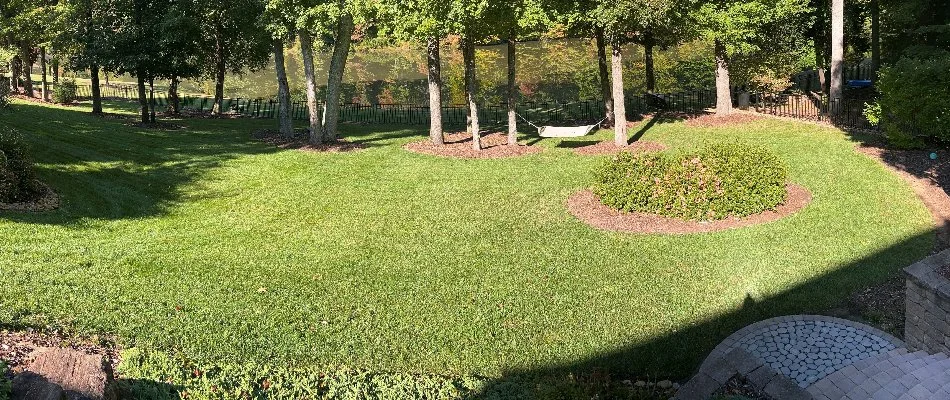
Applying fertilizer during extremely dry conditions or drought can be detrimental to your lawn. In dry conditions, the lack of moisture means that the fertilizer cannot be properly absorbed by the grass. Instead of promoting growth, the fertilizer can actually scorch the grass, leading to brown patches and damage.
During drought, grass is already under stress due to the lack of water. Adding fertilizer can exacerbate this stress, as the salts in the fertilizer can draw moisture away from the roots, further dehydrating the plants. It's best to wait until after a period of rain or when you can regularly water the lawn to ensure the grass is adequately hydrated before fertilizing.
Provide your grass with proper nourishment with our lawn fertilization service. Call our team to sign up!
Fertilizing your lawn is a vital part of lawn care, but timing is crucial. Make sure your grass receives fertilizers at the right time with our professional lawn fertilization service! This service involves regular fertilizer treatments throughout the growing season, so you can rest easy knowing your lawn has a consistent supply of vital nutrients. Our experts will ensure the fertilizer treatment is applied at the right time to avoid causing your grass any stress and ensure maximum absorption.
We proudly serve homeowners and business owners, as well as HOAs, in Des Moines, West Des Moines, Ankeny, IA, and neighboring areas. Call us today at (515) 289-2020 to sign up for this service and let us help you achieve the lawn of your dreams.


Comments (0)
Thanks for your comment!
Thanks for your feedback! Your comments have been successfully submitted! Please note, all comments require admin approval prior to display.
Error submitting comment!
There is a problem with your comment, please see below and try again.