




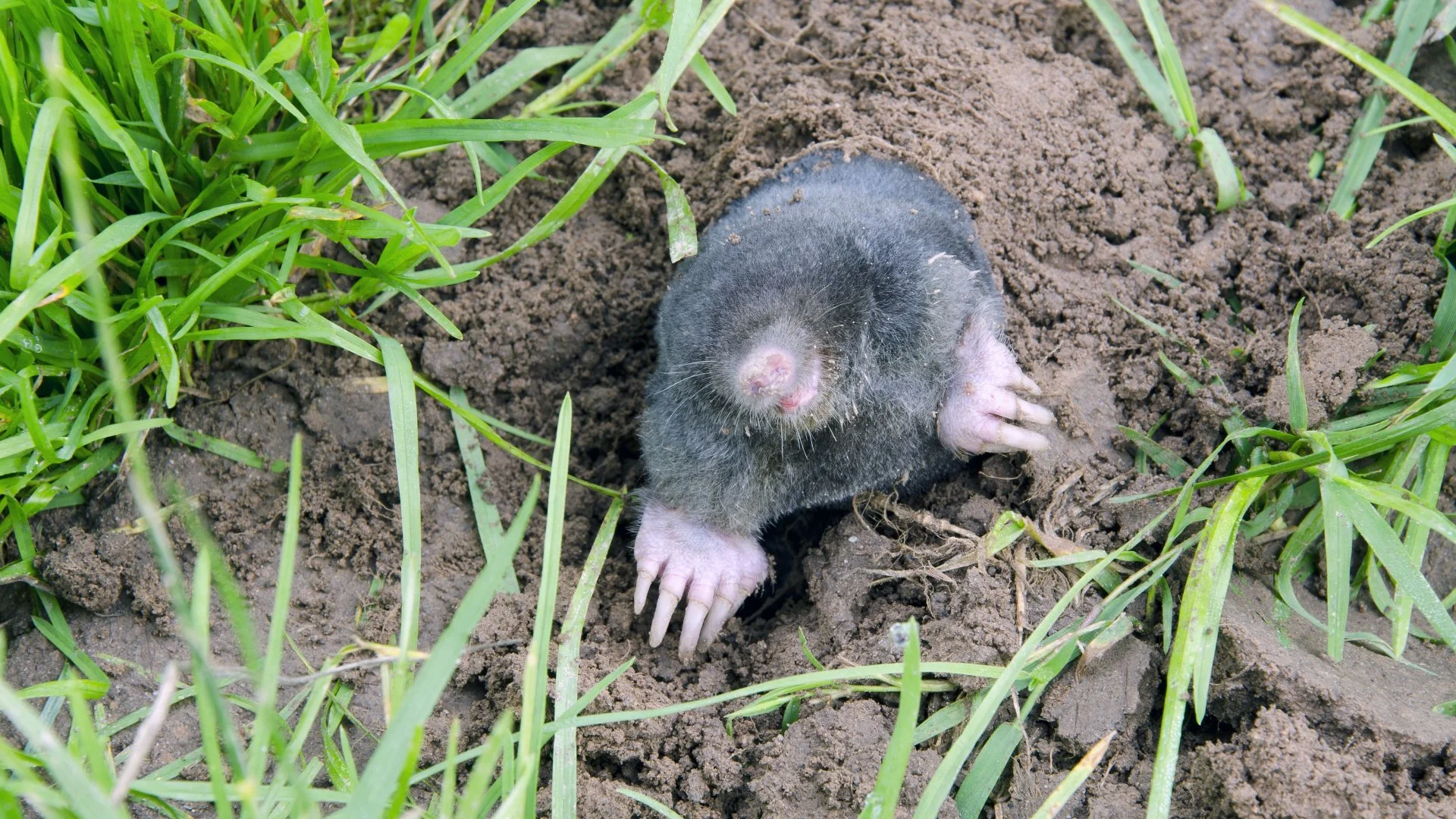
Moles are small mammals that can cause significant damage to lawns and gardens. Understanding mole activity patterns is essential for protecting your lawn from severe damage! Moles are most active in the early morning and late evening when cooler temperatures and higher humidity make it ideal for them to search for food. They are particularly active in early spring and throughout summer, as thawing soil and increased insect activity provide ample food sources. However, moles can be active any time of the year, as they do not hibernate. Look for signs like ridges and loose soil mounds on your lawn in Iowa to identify their presence. Read our blog to learn more.
What time of the day are moles most active?
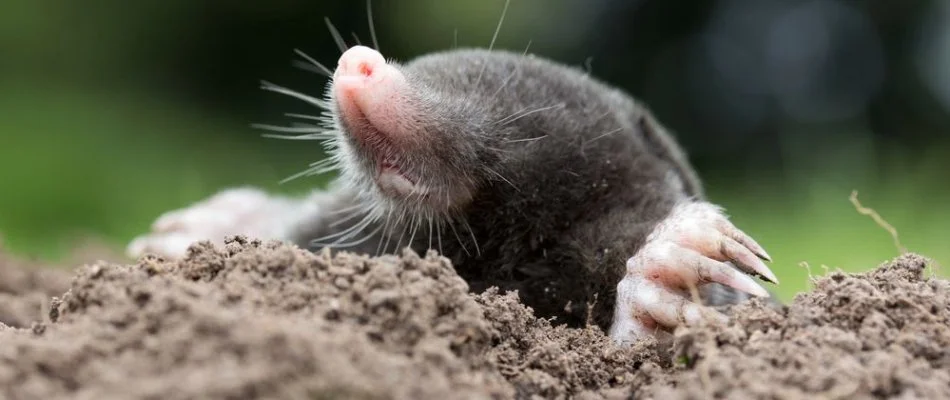
Moles are primarily active during the early morning and late evening hours. These times of day offer cooler temperatures and higher humidity, which are ideal conditions for moles to search for food. Moles feed on insects, earthworms, and grubs, which are more abundant and accessible during these periods. The reduced light levels also provide a safer environment for these creatures, as they are less visible to predators.
During the day, moles tend to rest in their underground burrows, avoiding the heat and potential threats from above. Understanding this daily rhythm can help you plan control measures more effectively. For example, setting traps in the early morning or late evening increases the likelihood of success, as moles are actively moving through their tunnels.
What time of the year are moles most active?
Moles are most active during early spring and throughout the summer months. In early spring, the soil becomes softer as it thaws, making it easier for moles to dig and search for food. This period also coincides with an increase in insect and worm activity, providing ample food sources for moles.
Throughout the summer, moles continue to be active as they expand their tunnels and search for food. However, it's important to note that mole activity can occur at any time of the year. While they may slow down during the colder months, they do not hibernate and can still cause damage if conditions are favorable.
What should you look for to determine if moles are active in your yard?
To effectively manage mole activity, it's crucial to recognize the signs of their presence. Look for ridges on the surface of your lawn, which indicate the tunnels moles have created just beneath the surface. These ridges can disrupt the appearance of your lawn and may cause the grass to die due to disturbed roots.
Another common sign is the presence of loose mounds of soil, often referred to as molehills. These mounds result from moles pushing soil to the surface as they dig deeper tunnels. While molehills can be unsightly, they also serve as a clear indicator of mole activity beneath your lawn.
Give us a call today to sign up for our mole and vole control service!
If you suspect that moles are active in your yard, it's time to contact our pest control professionals. We offer a mole and vole control service to eliminate these burrowing animals from your yard. This service utilizes repellents and bait treatments to get rid of them. This service is offered to homes and businesses, as well as HOAs, in Des Moines, West Des Moines, Ankeny, IA, and throughout the surrounding areas. Give us a call at (515) 289-2020 to sign up for this service! Our team is standing by and ready to help you reclaim your yard from these pests.



Comments (0)
Thanks for your comment!
Thanks for your feedback! Your comments have been successfully submitted! Please note, all comments require admin approval prior to display.
Error submitting comment!
There is a problem with your comment, please see below and try again.