



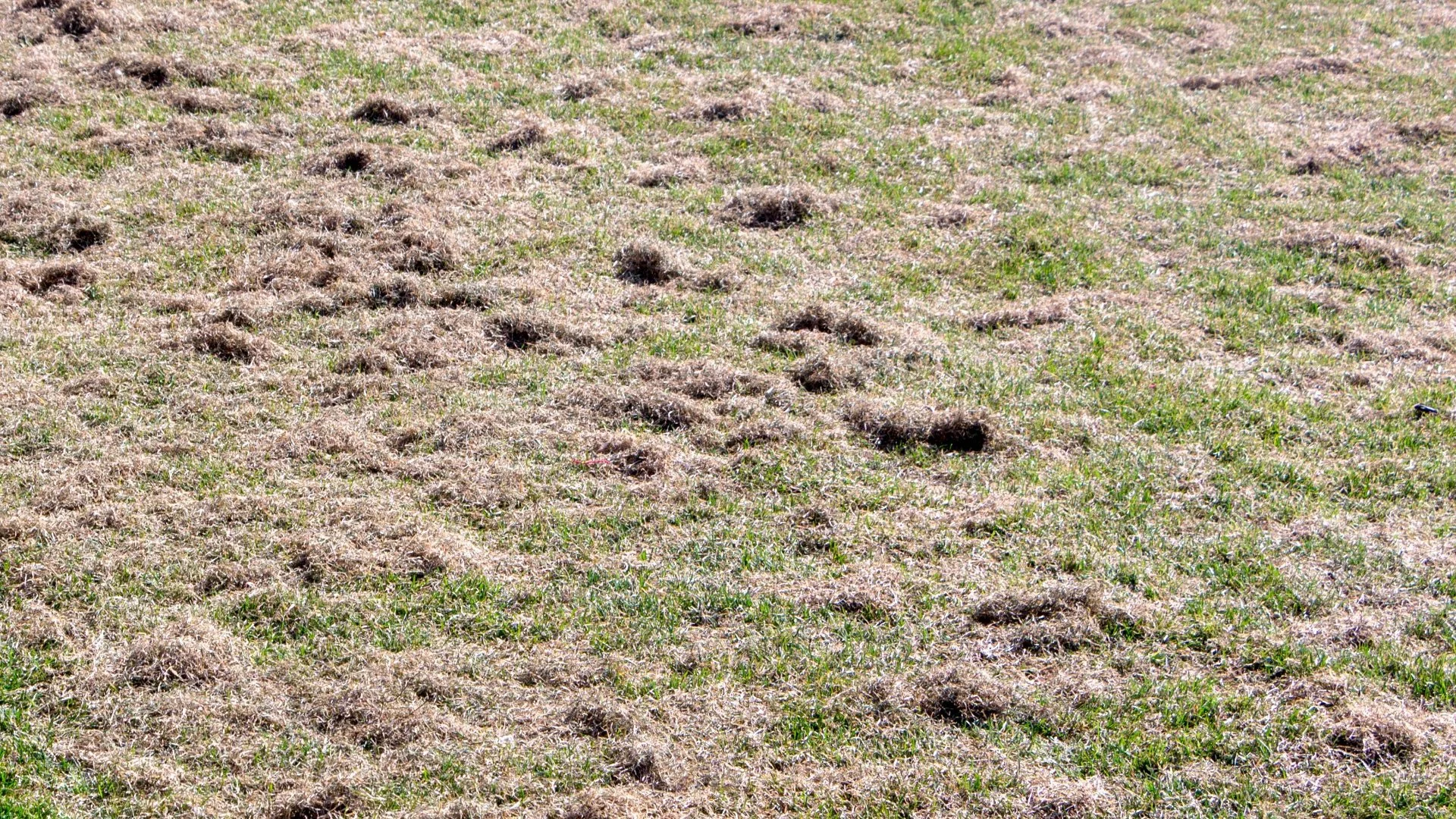
Thatch is a layer of organic material that accumulates between the soil and the grass blades of your lawn. It consists of dead grass, roots, stems, and other debris. Thatch under 1/2 inch can benefit your lawn in Iowa by insulating it and promoting microbial activity. However, when it becomes too thick, it can block essential nutrients and water, harming the grass. Regular aeration is key to managing thatch, as it helps break down the layer and improves soil structure. By aerating annually during the growing season, you can ensure your lawn remains vibrant and resilient.
Thatch isn't inherently bad for your lawn; it's how much there is.
Thatch isn't inherently bad for your lawn; it's how much there is that matters. Thatch under 1/2 an inch is actually good for your lawn. This thin layer acts as a natural insulator, protecting your grass from extreme temperatures and reducing water evaporation. It serves as a cushion, absorbing the impact from foot traffic and minimizing soil compaction. Moreover, a moderate layer of thatch can prevent weed seeds from reaching the soil, thus reducing weed growth.
Additionally, this layer promotes beneficial microbial activity. Microorganisms break down organic matter in the thatch, releasing nutrients back into the soil, which can enhance grass growth. Therefore, a thin layer of thatch is not only harmless but can actually contribute to a healthier lawn.
How does thick thatch affect your lawn's health?
However, when thatch exceeds 1/2 an inch, it can start to harm your lawn. Thick thatch acts as a barrier, preventing water, nutrients, and air from reaching the soil and roots. This can lead to a shallow root system, making your grass more susceptible to drought and disease. Excessive thatch can also create a favorable environment for pests and fungal diseases, which can further damage your lawn.
Furthermore, thick thatch can lead to uneven mowing, as the grass blades may sit higher on the spongy layer, resulting in an inconsistent cut. This can stress the grass and create an unsightly appearance.
What should you do to keep thatch under control?
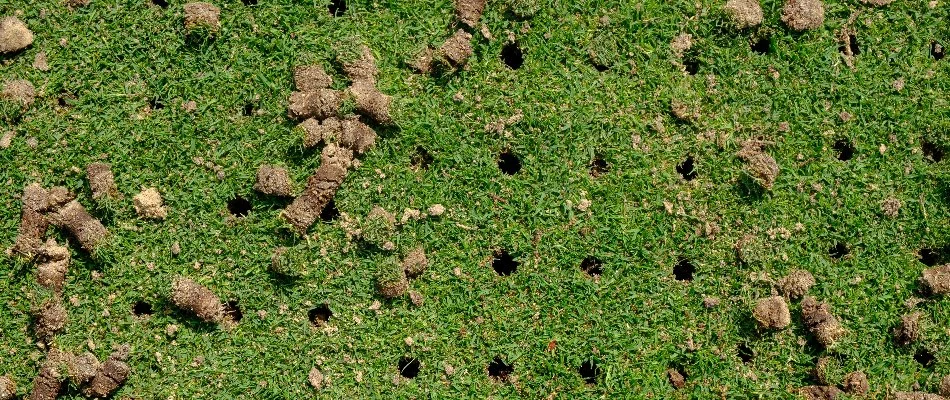
To prevent thatch from becoming a problem, regular aeration is essential. Aeration involves perforating the soil with small holes, allowing air, water, and nutrients to reach the roots. This process helps break down thatch by encouraging microbial activity and reducing soil compaction. By improving soil structure, aeration ensures that the roots can grow deeper and stronger, making your lawn more resilient to stress. It's best to aerate your lawn at least once a year, especially if you notice signs of thatch buildup or soil compaction.
Timing is crucial when it comes to aeration. Perform this task during the growing season, ideally in the spring or fall for cool-season grasses. This allows the grass to recover quickly and take full advantage of the improved soil conditions. Regular aeration not only helps manage thatch but also enhances overall lawn health, leading to a greener, more vibrant turf.
Give us a call today to sign up for our core aeration service!
While thatch isn't inherently bad for your lawn, it can become problematic if it becomes too thick. Regular aeration can help keep thatch under control and improve the overall health of your lawn. At A+ Lawn & Landscape, we offer core aeration, which removes plugs of soil from your lawn to create holes that let nutrients, water, and air reach the roots. You can schedule aeration for your lawn in the spring and fall. We offer this service to commercial and residential properties, as well as HOAs, in Des Moines, West Des Moines, Ankeny, IA, and nearby communities. Give us a call today at (515) 289-2020 to sign up!


Comments (0)
Thanks for your comment!
Thanks for your feedback! Your comments have been successfully submitted! Please note, all comments require admin approval prior to display.
Error submitting comment!
There is a problem with your comment, please see below and try again.